 Vietnam Clinic
Clinic Checklist for Your First Dental Visit in Vietnam
Updated 11 November 2026 · by the Vietnam Clinic Field Guide editors
This clinic checklist helps you judge a clinic in Vietnam in one visit. Use it at your first appointment, before you agree to any treatment. Each line is a thing you can see, ask or hold in your hand.
These are things to look at and ask about, not clinical rules. The treating dentist decides what your care needs.
- Print this page or save it to your phone.
- Tick each line in the room.
- A clinic does not need a perfect score, but you should know which lines it missed and why.
1. The dentist and the licence
- The name of the dentist who will treat you is on your plan.
- You have seen that dentist's practising licence, or a photo of it.
- The clinic's operating licence is on display or shown when you ask.
- If a second dentist does part of the work, such as surgery, their name is on the plan too.
In Vietnam a practising licence is issued by the Ministry of Health or by the health department of the city or province. A licence tells you the dentist may work. It says little about how the clinic is run, which is why the rest of this list matters.
Sources: Vietnam Law No. 15/2023/QH15, on licences to practise
2. Sterilisation and hygiene
- You have seen the autoclave, the machine that sterilises instruments.
- The clinic keeps a written or digital log of each autoclave cycle.
- You have asked how instruments are packed after cleaning, and been told.
- You have asked which items are single use and opened new for each patient.
- You have asked how often staff change gloves.
These are questions to ask, not a test a clinic passes or fails while you sit in the chair. Nothing you see there proves good care. A clear, open answer helps you compare clinics; a refusal or a vague answer is a reason to ask again or look elsewhere.
3. Scans and planning
- You have asked whether a 3D scan, called a CBCT, is part of your plan, and the dentist has told you why or why not.
- The dentist shows you the scan and explains what they see.
- You can take a copy of the scan home on a USB stick or by download.
- For crowns or veneers, the clinic uses a digital scanner or a physical mould, and tells you which.
If you have X-rays from home, you can show them to the clinic. A copy of any new scan is useful to keep for your dentist in Australia.
4. The lab
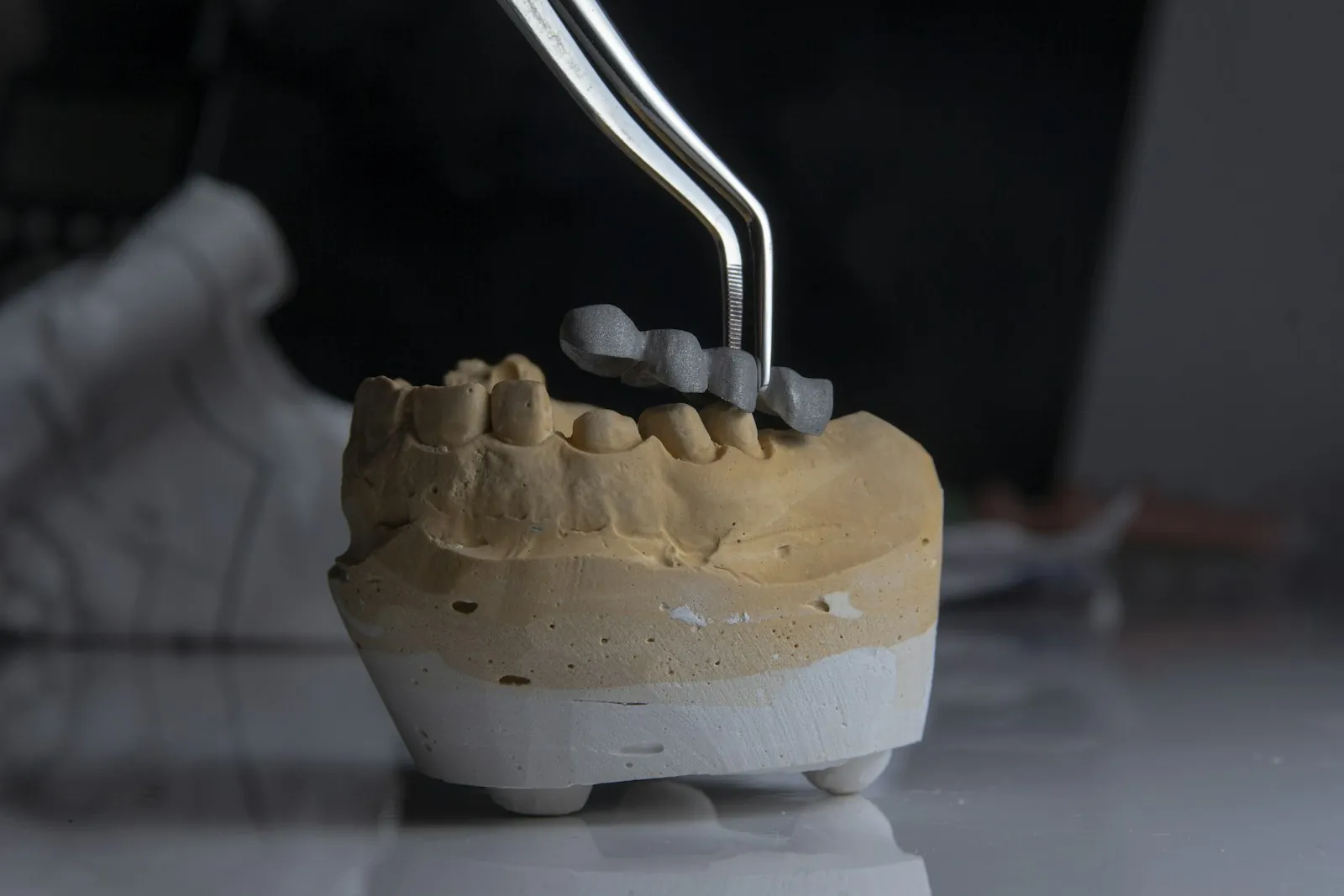
- The clinic names the lab that makes your crowns, bridges or arch.
- You know if the lab is in the building or outside.
- The material is named on your plan, for example zirconia or porcelain fused to metal.
- You know how many days the lab needs, so you can plan your stay.
Crowns, bridges and arches are made in a dental lab, so the lab is part of what you are paying for. Asking which lab and which material costs nothing, and the treating dentist can explain why they chose them.
5. Price, plan and payment
- You have an itemised written plan before any work starts.
- The price on the plan names the implant brand and the crown material.
- You know what is not included, such as bone grafts or extra scans.
- You know when you pay and how, and whether the card fee is extra.
- No one asked you for a deposit before an exam.
Strong and weak answers to listen for
Here is how we sort clear answers from vague ones. A clear answer makes two clinics easier to compare. It is not proof of good care.
| You ask | A clear answer | A vague answer |
|---|---|---|
| Which implant brand? | Names the brand and shows the box or card | "A good European one" |
| Who makes the crowns? | Names the lab and how long it takes | "Our partner lab" |
| Can I have the price in writing? | Sends an itemised plan the same day | "We will see after we start" |
| What does the warranty cover? | Hands you written terms with years and exclusions | "Everything, lifetime" |
| Can I see the steriliser? | Walks you to it and shows the log | "It is in the back, all fine" |
6. Warranty paperwork
- The warranty is written down, with the number of years.
- It lists what is covered and what is left out.
- It says how to make a claim from Australia or New Zealand.
- It says who pays for flights if you need to come back.
- You have the implant card or sticker with brand and batch.
Keep all of this in one folder. Your dentist at home will want it, and so will the clinic if you ever make a claim.
Want this done before you fly?
If you cannot visit before you book, a concierge can do the looking for you.
- Dental Link, a concierge working in Ho Chi Minh City and Hanoi, publishes its own list of 18 checks.
- Set it beside this page and see which lines it adds.
- Dental Link says on its site that clinics pay its fee, so the patient does not.
- This guide may earn from that referral.
Sources: Dental Link, clinic checks page at dentallinkvn.com, read 11 November 2026
Sources
Questions people ask
What should I check at a dental clinic in Vietnam?
Check the dentist's licence, the steriliser and its log, the 3D scanner, the lab that makes your crowns, and the written plan, price and warranty.
Can I ask to see the sterilisation room?
You can ask, and a clinic may show you the autoclave and explain how instruments are packed. If one refuses, note it and ask why. Seeing the room proves nothing on its own.
What paperwork should I take home?
Take the treatment plan, the itemised bill, the implant brand and batch details, your scans and the warranty terms, all in writing.
How do I know which implant brand was used?
Ask for the implant card or sticker from the box. It shows the brand and the batch. Keep it with your records for your dentist at home.